Youtube Optimization For New Channels In 2026: Complete Guide

⚡ TL;DR
- Direct Answer: Youtube Optimization For New Channels In 2026 gives you the exact strategies used by top YouTube creators to grow their channels in 2026.
- Learn how to youtube optimization for new channels in 2026. Step-by-step guide with examples, tools, and strategies for 2026. Free tools included.
- This guide covers keyword research, title optimization, tag strategy, and AI-powered tools — all backed by real channel data.
- Apply these methods and track results inside the YT SEO Architect dashboard.
What You Need Before Starting
- YouTube Account:** You need a verified YouTube account with a profile picture, banner, and a clear description of your channel's content. Create a new account if you don't have one already.
- Channel Setup:** Your channel should have a clear and concise name, and you should have uploaded at least 3-5 high-quality videos to establish a content library.
- Content Strategy:** You should have a well-defined content strategy, including a niche or topic, target audience, and a plan for consistent uploads.
- Knowledge of YouTube Analytics:** You should have a basic understanding of YouTube Analytics, including how to track views, engagement, and earnings.
- Basic Computer Skills:** You should be comfortable using a computer, navigating YouTube's interface, and understanding basic SEO concepts.
- Time Commitment:** Optimizing your YouTube channel requires a significant time commitment, including regular uploads, engagement, and analysis.
Step 1: Setting Up Your Channel for Success
Creating a strong foundation for your YouTube channel is crucial for long-term success. This step ensures your channel is easily discoverable by your target audience.
To start, navigate to the YouTube Studio and click on the "Customization" tab. Here, you'll find options to edit your channel's appearance, including the banner, icon, and description.
Make sure your banner image is high-quality, visually appealing, and accurately represents your brand. Your icon should be a square image that's at least 800 x 800 pixels. For the description, include essential information such as your channel's name, niche, and contact details.
Expected result: A visually appealing and informative channel that immediately conveys your brand's identity.
Step 2: Keyword Research and Optimization
Proper keyword research is vital for your YouTube video titles, descriptions, and tags. This step helps you identify relevant keywords to increase your video's visibility in search results.
Use tools like the YouTube Auto-Complete feature or third-party keyword research tools to find popular keywords related to your content. Analyze the competition, relevance, and search volume for each keyword.
When optimizing your video titles, descriptions, and tags, make sure to include your target keywords naturally and consistently. This will help search engines understand the context and relevance of your content.
Expected result: A video that ranks higher in search results and attracts more relevant viewers.
Step 3: Crafting Engaging Video Titles and Thumbnails
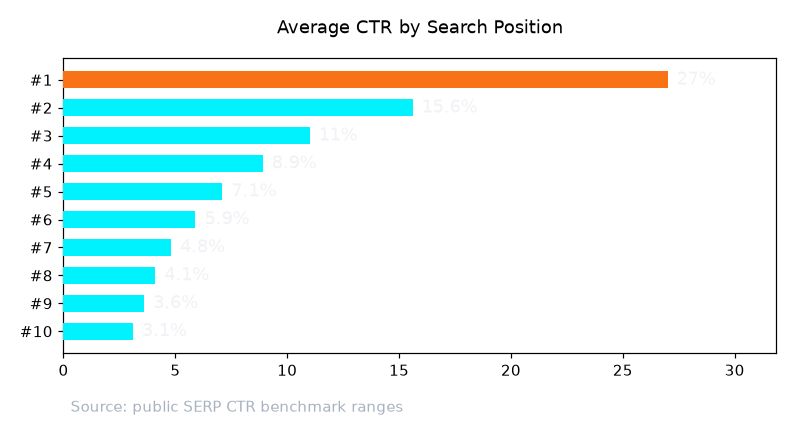
Your video title and thumbnail are the first points of contact between your content and potential viewers. This step focuses on creating attention-grabbing titles and thumbnails that encourage clicks and views.
When writing your video title, aim for clarity, concision, and creativity. Use relevant keywords and make sure the title accurately represents the content. For thumbnails, focus on eye-catching visuals that convey the main idea of your video.
Use tools like the YouTube thumbnail generator or design software to create high-quality thumbnails that grab attention.
Expected result: A video that stands out in search results and entices viewers to click and watch.
Step 4: Keyword Research and Optimization
With your target audience and niche in mind, it's time to conduct keyword research. This involves finding relevant and high-traffic keywords related to your content. Use tools like Google Trends, Keyword Planner, or YT SEO Architect to discover potential keywords. Analyze the competition, search volume, and relevance to ensure you're targeting the right audience. Make sure to include a mix of long-tail and short-tail keywords to cover a broader range of search queries.
Once you have your keywords, incorporate them naturally into your video titles, descriptions, and tags. Aim for a balance between keyword optimization and readability. A good rule of thumb is to include your primary keyword in the title and description, but avoid over-optimizing by repeating it multiple times.
Step 5: Video Title and Description Optimization
Your video title and description are crucial for SEO and viewer engagement. Craft a title that accurately reflects the content, includes your primary keyword, and is attention-grabbing. Keep it concise, ideally under 66 characters, to ensure it displays properly in search results.
For the description, focus on providing value to the viewer. Include a brief summary of the content, highlight the benefits, and mention your primary keyword. Aim for a length of around 150-200 characters to avoid truncation. Use this space to add context, provide additional information, and encourage viewers to watch the video.
Step 6: Common Errors and Fixes
| Error | Cause | Fix |
|---|---|---|
| Incorrect or missing tags | Failed to conduct keyword research or overlooked important keywords | Use YT SEO Architect to discover relevant keywords and optimize your tags |
| Low-quality or irrelevant thumbnails | Failed to create an eye-catching and descriptive thumbnail | Design a visually appealing thumbnail that accurately represents the content and includes text or graphics to highlight the main topic |
| Inconsistent or missing branding | Failed to establish a consistent visual identity or branding guidelines | Develop a consistent visual brand, including a logo, color scheme, and typography, to build recognition and trust with your audience |
| Ignoring video engagement metrics | Failed to track and analyze video performance | Use YouTube Analytics to monitor engagement metrics, such as likes, comments, and shares, to refine your content strategy and improve viewer interaction |
Step 7: Optimization
Once you've created high-quality, engaging content and uploaded it to your channel, it's time to focus on optimization. This involves tweaking your video titles, descriptions, and tags to improve their visibility in YouTube's algorithm.
- Keyword research: Use tools like Google Keyword Planner or TubeBuddy to find relevant keywords and phrases that your target audience is searching for.
- Optimize your title: Use your target keywords in your title, but make sure it's still descriptive and attention-grabbing.
- Write a compelling description: Use your target keywords in your description, but also include a brief summary of your video's content.
- Add relevant tags: Use a mix of niche and broad keywords to help your video get discovered.
Step 8: Measure Results
Now that you've optimized your video, it's time to measure its performance. This will help you understand what's working and what's not, so you can make data-driven decisions to improve your strategy.
- Use YouTube Analytics: This built-in tool provides insights into your video's views, engagement, earnings, and audience retention.
- Track your metrics: Focus on metrics like watch time, drop-off points, and audience retention to identify areas for improvement.
- Experiment and adjust: Based on your data, try new optimization strategies and see how they impact your performance.
Step 9: Scale
Once you've found what works, it's time to scale your optimization strategy to reach a wider audience.
- Replicate your success: Apply the same optimization strategies to your other videos to maximize their potential.
- Experiment with new formats: Try different video formats, such as live streaming or 360-degree videos, to reach new audiences.
- Use tools to automate tasks: Tools like Hootsuite or Buffer can help you schedule and automate your social media posts to reach a wider audience.
Common Problems and Fixes
Issue 1: Low View Counts Despite High Engagement
Problem: Your videos are getting lots of likes, comments, and shares, but view counts remain low.
Why: This could be due to your video's visibility in YouTube's algorithm, particularly if your target audience is not engaging with your content.
How to fix:
- Optimize your video titles and descriptions with relevant keywords.
- Use eye-catching thumbnails that grab viewers' attention.
- Encourage engagement by asking questions or requesting feedback in your video.
Issue 2: Slow Video Upload Speed
Problem: Your video uploads are taking an inordinate amount of time, causing frustration and delays.
Why: This could be due to poor internet connectivity, a slow computer, or a large file size.
How to fix:
| Problem | Likely Cause | Quick Fix |
|---|---|---|
| Slow video upload speed | Poor internet connectivity | Check your internet speed and consider upgrading your plan. |
| Slow video upload speed | Slow computer | Close unnecessary programs and update your computer's software. |
| Slow video upload speed | Large file size | Consider compressing your video or breaking it into smaller segments. |
Issue 3: Inconsistent Monetization
Problem: You're not earning consistent revenue from your YouTube ads.
Why: This could be due to factors like inconsistent viewership, low engagement, or poor ad placement.
How to fix:
- Improve your video's visibility and engagement by optimizing your titles, descriptions, and thumbnails.
- Experiment with different ad formats and placements to find what works best for your channel.
Issue 4: Difficulty in Ranking for Specific Keywords
Problem: You're struggling to rank for specific keywords in YouTube's search results.
Why: This could be due to factors like high competition, low relevance, or poor optimization.
How to fix:
- Conduct thorough keyword research to identify relevant and less competitive terms.
- Optimize your video titles, descriptions, and tags with targeted keywords.
Issue 5: Inability to Grow Your Audience
Problem: You're not growing your audience despite regular uploads and engagement.
Why: This could be due to factors like poor content quality, inconsistent scheduling, or lack of promotion.
How to fix:
- Develop a content strategy that resonates with your target audience.
- Experiment with different scheduling and promotion tactics to find what works best for your channel.
What Results to Expect (and When)
Optimizing your YouTube channel in 2026 requires patience, persistence, and a well-planned strategy. Here are some realistic expectations for new channels, along with a timeline and measurement guidelines:| Timeframe | Expected Result | How to Measure |
|---|---|---|
| 0-3 months | Slow and steady growth in views and subscribers | Monitor your YouTube Analytics for gradual increases in views and subscribers |
| 3-6 months | Improved engagement metrics, such as watch time and audience retention | Analyze your video performance using the YouTube Studio's built-in analytics |
| 6-12 months | Increased visibility in search results, potentially leading to more views and subscribers | Track your keyword rankings and impressions in the YouTube Search Console |
| 1-2 years | Established presence in your niche, with a loyal audience and consistent viewership | Monitor your channel's overall performance, including views, subscribers, and engagement metrics |
🔍 Want a Full Channel Audit?
17 AI tools analyze your titles, tags, descriptions, and thumbnails. 100 free credits/month. No credit card required.
Audit My Channel — It's Free →❓ Frequently Asked Questions
what is youtube video optimization?
Video optimization means structuring title, description, tags, thumbnail, and metadata so YouTube's algorithm understands and ranks your content.
What is Youtube Optimization For New Channels In 2026 and why does it matter?
Youtube Optimization For New Channels In 2026 is a critical component of YouTube channel growth. Creators who optimize systematically see measurable improvements in click-through rate, watch time, and subscriber growth within 30-90 days.
How long does it take to see results?
Most creators see measurable improvements in CTR and views within 2-4 weeks of applying these strategies. Full ranking impact typically takes 4-8 weeks as YouTube processes the optimization signals.
Can I do this without paid tools?
Yes. YouTube's built-in analytics, autocomplete search, and the free tier of YT SEO Architect provide everything you need to start optimizing. Paid tools accelerate the process but aren't required.
What is the single highest-impact change I can make today?
Title optimization. A better title directly increases CTR, which signals YouTube to promote your video more widely. Start there, then optimize descriptions and tags.
How often should I update my video SEO?
Review your top 10 videos monthly. Update titles and thumbnails on underperformers. Re-research keywords quarterly. The algorithm rewards fresh optimization signals.
🎯 Key Takeaways
- Master What You Need Before Starting to improve your video rankings.
- Apply the Step 1: Setting Up Your Channel for Success outlined above to your next upload.
- Use YT SEO Architect to automate optimization and track results.
- Treat YouTube SEO as a continuous process — audit, update, and improve monthly.
📊 Gear for YouTube SEO & Metadata Optimization
Optimizing metadata is a desk job — the right monitor and audio setup keeps you productive.
- Ultrawide: Ultrawide Monitor — side-by-side comparison of YouTube Analytics and metadata editor — multitask without alt-tabbing
- Blue: Blue Yeti USB Mic — record voiceover for metadata-optimized videos with broadcast-quality audio
- Ring: Ring Light — quick lighting setup for face-to-camera intro segments that pair with your optimized metadata
🚀 Ready to Grow Your Channel?
Join 5,000+ creators using YT SEO Architect to optimize titles, tags, descriptions, and more. 100% free — no credit card needed.