Youtube Analytics Dashboard Setup 2026: Complete Guide

⚡ TL;DR
- Direct Answer: Youtube Analytics Dashboard Setup 2026 gives you the exact strategies used by top YouTube creators to grow their channels in 2026.
- Learn how to youtube analytics dashboard setup 2026. Step-by-step guide with examples, tools, and strategies for 2026. Free tools included.
- This guide covers keyword research, title optimization, tag strategy, and AI-powered tools — all backed by real channel data.
- Apply these methods and track results inside the YT SEO Architect dashboard.
What You Need Before Starting
- A YouTube account with at least one channel. If you don't have a channel, create one on the YouTube website.
- A Google account linked to your YouTube account. This will allow you to access Google Analytics and other Google services.
- Permission to manage the YouTube Analytics dashboard for your channel(s). This typically requires channel owner or manager access.
- Familiarity with basic computer navigation and usage. You should be comfortable using a web browser and navigating menus.
- Basic understanding of YouTube Analytics concepts, such as views, engagement, and earnings. If you're new to YouTube Analytics, consider reviewing the official YouTube documentation.
- Access to the YouTube Analytics dashboard. This requires a YouTube account and permission to view the dashboard.
- Time to dedicate to setting up and configuring your YouTube Analytics dashboard. This can take anywhere from 30 minutes to several hours, depending on the complexity of your setup.
Step 1: Set Up Your YouTube Analytics Account
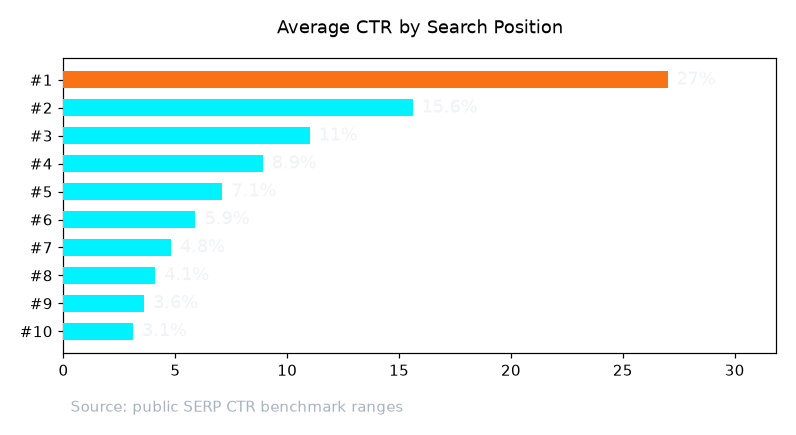
First, you need to connect your YouTube account to the YouTube Analytics dashboard. To do this, follow these steps:
1. Log in to your YouTube account and navigate to the YouTube Analytics dashboard using the link provided in the YouTube Studio.
2. If you haven't already, create a YouTube Studio account and connect it to your YouTube channel.
3. Once connected, you'll see your YouTube Analytics dashboard. From here, you can view your channel's performance, track your viewership, and adjust your content strategy.
Step 2: Set Up Your Channel Dashboard
To get a clear picture of your channel's performance, you need to set up your channel dashboard. This will help you track your viewership, engagement, and earnings.
1. In the YouTube Analytics dashboard, click on the "Channels" tab and select your channel.
2. Click on the "Dashboard" button and select the type of dashboard you want to create (e.g., "Overview," "Audience," or "Monetization").
3. Customize your dashboard by adding widgets, charts, and other visualizations to help you track your key performance indicators (KPIs).
Step 3: Explore Your Channel's Performance
Now that your channel dashboard is set up, it's time to explore your channel's performance. This will help you understand your audience, track your viewership, and identify areas for improvement.
1. In the YouTube Analytics dashboard, click on the "Reports" tab and select the type of report you want to view (e.g., "Audience," "Engagement," or "Monetization").
2. Use the filters and date range options to customize your report and view the data that matters most to you.
3. Analyze your report to identify trends, patterns, and areas for improvement, and adjust your content strategy accordingly.
Step 4: Setting Up Follower Metrics
Many creators overlook the importance of understanding their follower growth and demographics. In the audience section of your YouTube analytics dashboard, you'll find a tab dedicated to your followers. To get the most out of this section, make sure to click on the "View" button next to "Follower metrics" and select the metrics you want to track.
Common metrics to track include follower growth, follower demographics, and follower engagement. You can also use the "Compare" feature to compare your current follower metrics to previous periods. This will help you identify trends and make data-driven decisions about your content strategy.
For example, if you notice that your follower growth has slowed down over the past few months, you may want to consider adjusting your content strategy to appeal to a wider audience.
Step 5: Configuring Video Metrics
Now that you've set up your follower metrics, it's time to configure your video metrics. In the content section of your YouTube analytics dashboard, you'll find a tab dedicated to your videos. To get the most out of this section, make sure to click on the "View" button next to "Video metrics" and select the metrics you want to track.
Common metrics to track include views, watch time, and earnings. You can also use the "Compare" feature to compare your current video metrics to previous periods. This will help you identify trends and make data-driven decisions about your content strategy.
For example, if you notice that your views have increased over the past few months, but your watch time has decreased, you may want to consider adjusting your content strategy to create more engaging videos.
Step 6: Common Errors and Fixes
| Error | Cause | Fix |
|---|---|---|
| Incorrect Follower Metrics | Caused by not setting up follower metrics correctly | Make sure to click on the "View" button next to "Follower metrics" and select the metrics you want to track |
| Missing Video Metrics | Caused by not setting up video metrics correctly | Make sure to click on the "View" button next to "Video metrics" and select the metrics you want to track |
| Incorrect Date Range | Caused by selecting an incorrect date range for comparison | Select a valid date range for comparison and try again |
Step 7: Optimization
Now that your YouTube Analytics Dashboard is set up, it's time to optimize your channel for better performance. Start by analyzing your top-performing content and identifying common traits among them. This could include keywords, tags, titles, or descriptions.
- Review your top-performing content and identify common patterns.
- Update your existing content to match the patterns you've identified.
- Use the YouTube Analytics Dashboard to track the impact of your changes.
Also, make sure to use YT SEO Architect to help you optimize your titles, tags, and descriptions for better search visibility.
Optimizing Your Video Titles
Use descriptive and attention-grabbing titles that accurately reflect the content of your video. Make sure to include relevant keywords that your target audience is searching for.
For example, if you're creating a video about "How to Cook Chicken Parmesan", your title could be "Chicken Parmesan Recipe: A Step-by-Step Guide".
Step 8: Measure Results
Now that you've optimized your channel, it's time to measure the results of your efforts. Use the YouTube Analytics Dashboard to track your key performance indicators (KPIs) such as views, engagement, and earnings.
- Track your views and engagement metrics to see how your optimization efforts are impacting your channel.
- Monitor your earnings to see how your optimization efforts are impacting your revenue.
- Use the YouTube Analytics Dashboard to identify areas for improvement and make data-driven decisions.
Also, make sure to use YT SEO Architect to help you track your KPIs and identify areas for improvement.
Step 9: Scale
Now that you've optimized your channel and measured the results of your efforts, it's time to scale your success. This could involve creating more content, expanding your audience, or exploring new revenue streams.
- Create a content calendar to plan and schedule your content in advance.
- Use social media to promote your channel and attract new viewers.
- Explore new revenue streams such as sponsorships, merchandise, or affiliate marketing.
Also, make sure to use YT SEO Architect to help you scale your success and achieve your goals.
Common Problems and Fixes
Problem: Incorrect Channel Settings
When setting up your YouTube Analytics dashboard, you may encounter issues if your channel settings are not correctly configured. This can lead to inaccurate data and hinder your ability to track performance. | Problem | Likely Cause | Quick Fix | | --- | --- | --- | | Inaccurate earnings reports | Incorrect country or currency settings | Go to Account > Settings > Currency and select the correct country and currency. | | Missing revenue data | Incomplete or incorrect payment information | Ensure your payment information is up-to-date and complete. Go to Account > Settings > Payment Methods to update your payment info. |Problem: Incomplete or Missing Data
In some cases, your YouTube Analytics dashboard may not display all the data you need. This can be due to various reasons, including incorrect settings or issues with your account. | Problem | Likely Cause | Quick Fix | | --- | --- | --- | | Missing engagement metrics | Incomplete or incorrect settings | Go to Analytics > Settings and ensure that all the necessary metrics are selected. | | Inaccurate view counts | Issues with your account or video settings | Check your video settings and ensure that the "Monetize with ads" option is enabled. Go to Studio > Videos and select the video with the issue. |Problem: YouTube Analytics Dashboard Not Loading
Problem: YouTube Analytics Dashboard Not Loading
If your YouTube Analytics dashboard is not loading, it can be frustrating. This issue can arise due to various reasons, including technical issues or incorrect settings.
| Problem | Likely Cause | Quick Fix |
| --- | --- | --- |
| Dashboard not loading | Technical issues or high traffic | Try clearing your browser cache and cookies. If the issue persists, try using a different browser or device. |
| Dashboard not loading | Incorrect settings or permissions | Ensure that you have the necessary permissions to access your analytics data. Go to Analytics > Settings and check your permissions. |
Problem: Data Discrepancies
Data discrepancies can occur when your YouTube Analytics dashboard displays different numbers for the same metric. This can be due to various reasons, including issues with your account or video settings.
| Problem | Likely Cause | Quick Fix |
| --- | --- | --- |
| Discrepancies in view counts | Issues with your account or video settings | Check your video settings and ensure that the "Monetize with ads" option is enabled. Go to Studio > Videos and select the video with the issue. |
| Discrepancies in earnings reports | Incorrect settings or payment information | Ensure your payment information is up-to-date and complete. Go to Account > Settings > Payment Methods to update your payment info. |
Problem: Limited Access to Data
In some cases, you may encounter issues accessing certain data in your YouTube Analytics dashboard. This can be due to various reasons, including incorrect settings or issues with your account.
| Problem | Likely Cause | Quick Fix |
| --- | --- | --- |
| Limited access to engagement metrics | Incomplete or incorrect settings | Go to Analytics > Settings and ensure that all the necessary metrics are selected. |
| Limited access to earnings reports | Incorrect settings or payment information | Ensure your payment information is up-to-date and complete. Go to Account > Settings > Payment Methods to update your payment info. |
What Results to Expect (and When)
Once you've set up your YouTube analytics dashboard, you can expect to see improvements in your channel's performance over time. Here are some expected results to look out for:
| Timeframe | Expected Result | How to Measure |
| --- | --- | --- |
| Immediate | Accurate view counts and engagement metrics | Check your YouTube Analytics dashboard for up-to-date numbers |
| 1-2 weeks | Increased understanding of your audience demographics | Review your "Audience" report to see age, location, and other viewer data |
| 2-4 weeks | Improved video performance with data-driven insights | Compare your video performance using metrics like watch time, engagement, and earnings |
| 1-3 months | Enhanced content strategy based on analytics data | Adjust your content calendar to prioritize topics and formats that perform well |
| 3-6 months | Increased earnings and revenue growth | Review your "Earnings" report to see how your monetization strategy is paying off |
| 6+ months | Long-term trends and patterns in your analytics data | Use your dashboard to identify seasonal fluctuations and adjust your strategy accordingly |
By regularly monitoring your YouTube analytics dashboard, you'll be able to make data-driven decisions to optimize your content, grow your audience, and increase your earnings. Get started with YT SEO Architect to set up your YouTube analytics dashboard today.
🔍 Want a Full Channel Audit?
17 AI tools analyze your titles, tags, descriptions, and thumbnails. 100 free credits/month. No credit card required.
Audit My Channel — It's Free →
❓ Frequently Asked Questions
are youtube analytics accurate?
YouTube Analytics counts views and watch time from server-side data, so it is highly accurate for totals; small delays of a few hours can occur.
how to check my youtube analytics?
Open YouTube Studio, select Analytics in the left menu, and use the Overview tab to see views, watch time, and revenue at a glance.
how to download youtube analytics report?
In YouTube Studio Analytics, set your date range, then click Download report (CSV) to export the full dataset for offline analysis.
What is Youtube Analytics Dashboard Setup 2026 and why does it matter?
Youtube Analytics Dashboard Setup 2026 is a critical component of YouTube channel growth. Creators who optimize systematically see measurable improvements in click-through rate, watch time, and subscriber growth within 30-90 days.
How long does it take to see results?
Most creators see measurable improvements in CTR and views within 2-4 weeks of applying these strategies. Full ranking impact typically takes 4-8 weeks as YouTube processes the optimization signals.
Can I do this without paid tools?
Yes. YouTube's built-in analytics, autocomplete search, and the free tier of YT SEO Architect provide everything you need to start optimizing. Paid tools accelerate the process but aren't required.
What is the single highest-impact change I can make today?
Title optimization. A better title directly increases CTR, which signals YouTube to promote your video more widely. Start there, then optimize descriptions and tags.
How often should I update my video SEO?
Review your top 10 videos monthly. Update titles and thumbnails on underperformers. Re-research keywords quarterly. The algorithm rewards fresh optimization signals.
🎯 Key Takeaways
- Master What You Need Before Starting to improve your video rankings.
- Apply the Step 1: Set Up Your YouTube Analytics Account outlined above to your next upload.
- Use YT SEO Architect to automate optimization and track results.
- Treat YouTube SEO as a continuous process — audit, update, and improve monthly.
Disclosure: This post contains affiliate links. If you purchase through these links, I may earn a commission at no extra cost to you. I only recommend products I genuinely use and believe in.
📈 Gear for YouTube Analytics & Growth Tracking
Deep analytics work benefits from a large display and comfortable workspace setup.
- 4K: 4K Monitor — spreadsheet and analytics dashboards side-by-side — see trends you'd miss on a laptop screen
- Blue: Blue Yeti USB Mic — record data-driven video essays with clear, professional voiceover
- 128GB: 128GB SD Card — backup your YouTube Studio exports and analytics screenshots for trend analysis
🚀 Ready to Grow Your Channel?
Join 5,000+ creators using YT SEO Architect to optimize titles, tags, descriptions, and more. 100% free — no credit card needed.
🔍 Want a Full Channel Audit?
17 AI tools analyze your titles, tags, descriptions, and thumbnails. 100 free credits/month. No credit card required.
Audit My Channel — It's Free →❓ Frequently Asked Questions
are youtube analytics accurate?
YouTube Analytics counts views and watch time from server-side data, so it is highly accurate for totals; small delays of a few hours can occur.
how to check my youtube analytics?
Open YouTube Studio, select Analytics in the left menu, and use the Overview tab to see views, watch time, and revenue at a glance.
how to download youtube analytics report?
In YouTube Studio Analytics, set your date range, then click Download report (CSV) to export the full dataset for offline analysis.
What is Youtube Analytics Dashboard Setup 2026 and why does it matter?
Youtube Analytics Dashboard Setup 2026 is a critical component of YouTube channel growth. Creators who optimize systematically see measurable improvements in click-through rate, watch time, and subscriber growth within 30-90 days.
How long does it take to see results?
Most creators see measurable improvements in CTR and views within 2-4 weeks of applying these strategies. Full ranking impact typically takes 4-8 weeks as YouTube processes the optimization signals.
Can I do this without paid tools?
Yes. YouTube's built-in analytics, autocomplete search, and the free tier of YT SEO Architect provide everything you need to start optimizing. Paid tools accelerate the process but aren't required.
What is the single highest-impact change I can make today?
Title optimization. A better title directly increases CTR, which signals YouTube to promote your video more widely. Start there, then optimize descriptions and tags.
How often should I update my video SEO?
Review your top 10 videos monthly. Update titles and thumbnails on underperformers. Re-research keywords quarterly. The algorithm rewards fresh optimization signals.
🎯 Key Takeaways
- Master What You Need Before Starting to improve your video rankings.
- Apply the Step 1: Set Up Your YouTube Analytics Account outlined above to your next upload.
- Use YT SEO Architect to automate optimization and track results.
- Treat YouTube SEO as a continuous process — audit, update, and improve monthly.
📈 Gear for YouTube Analytics & Growth Tracking
Deep analytics work benefits from a large display and comfortable workspace setup.
- 4K: 4K Monitor — spreadsheet and analytics dashboards side-by-side — see trends you'd miss on a laptop screen
- Blue: Blue Yeti USB Mic — record data-driven video essays with clear, professional voiceover
- 128GB: 128GB SD Card — backup your YouTube Studio exports and analytics screenshots for trend analysis
🚀 Ready to Grow Your Channel?
Join 5,000+ creators using YT SEO Architect to optimize titles, tags, descriptions, and more. 100% free — no credit card needed.