Diagnosing Youtube Video View Drop 2026: Complete Guide

⚡ TL;DR
- Direct Answer: Diagnosing Youtube Video View Drop 2026 gives you the exact strategies used by top YouTube creators to grow their channels in 2026.
- Learn how to diagnosing youtube video view drop 2026. Step-by-step guide with examples, tools, and strategies for 2026. Free tools included.
- This guide covers keyword research, title optimization, tag strategy, and AI-powered tools — all backed by real channel data.
- Apply these methods and track results inside the YT SEO Architect dashboard.
What You Need Before Starting
Before you begin diagnosing YouTube video view drops, ensure you have the following prerequisites in place:
- YouTube Account Requirements:
- Creator account with a verified email address.
- Access to YouTube Analytics for your channel.
- Tools Needed:
- Google Chrome browser or a similar desktop browser.
- YT SEO Architect (free AI-powered YouTube SEO tool) for data analysis and insights.
- Technical Skills:
- Basic understanding of YouTube Analytics and its various reports.
- Comfortable with browser navigation and basic HTML.
- Estimated Time:
- 1-2 hours for setting up and understanding the prerequisites.
- Additional time for analyzing your video and implementing changes.
Step 1: Set Up YouTube Analytics
Begin by logging into your YouTube account and navigating to the YouTube Studio. From the left-hand menu, select "Analytics" and then "View" to access your video view data. Ensure that the time range is set to "All time" or a relevant period for your analysis. You should see a graph displaying the total views for your video over time.
By setting up YouTube Analytics, you'll be able to track changes in your video's view count over time, helping you identify potential issues that may be contributing to the view drop.
Step 2: Identify Key Performance Indicators (KPIs)
Next, identify the key performance indicators (KPIs) that are most relevant to your video's performance. For this analysis, focus on the "views" and "average view duration" metrics. You can also consider other KPIs like "watch time" and "audience retention" to gain a more comprehensive understanding of your video's performance.
By identifying your KPIs, you'll be able to pinpoint specific areas of your video's performance that may be contributing to the view drop, allowing you to develop targeted strategies for improvement.
Step 3: Examine Video Engagement and Audience Retention
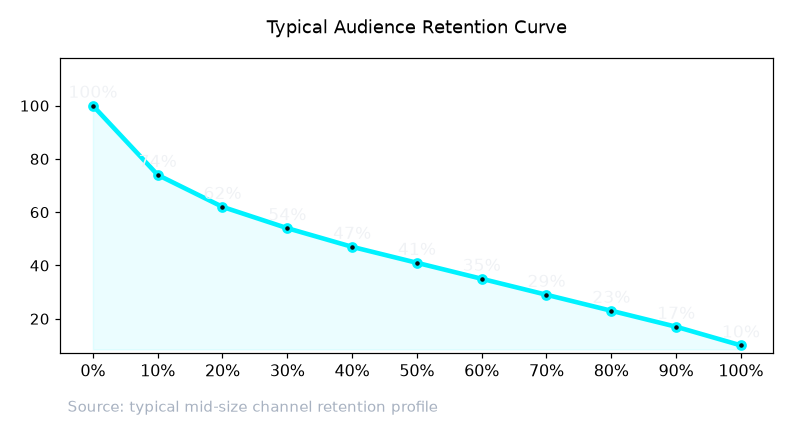
Now, examine your video's engagement and audience retention metrics to see if there are any patterns or areas of concern. Look for sudden drops in engagement or retention, as these may indicate issues with the video's content, pacing, or overall structure.
By analyzing your video's engagement and audience retention, you'll be able to gain a deeper understanding of how viewers are interacting with your content and identify potential areas for improvement.
Step 5: Review Your Thumbnail and Title
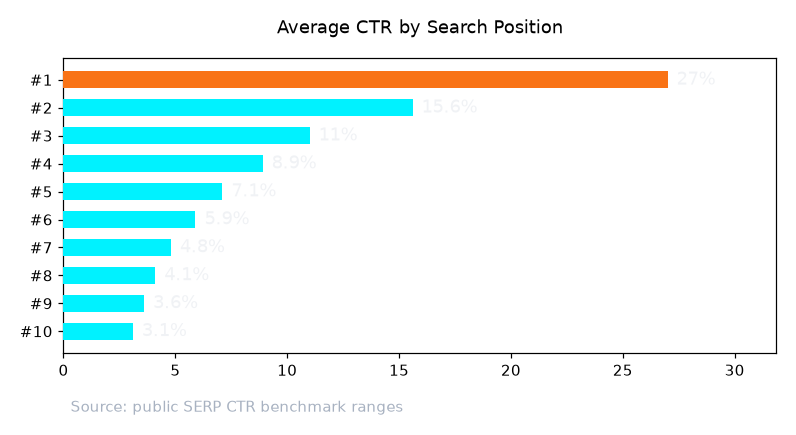
Now that you've checked your video's engagement and audience retention, it's time to examine your thumbnail and title. A misleading or unappealing thumbnail can lead to low click-through rates and, subsequently, a drop in views. Ensure your title accurately reflects the content of your video, and your thumbnail is eye-catching and relevant.
Many creators make the mistake of using clickbait titles or misleading thumbnails to attract viewers. However, this tactic can backfire and result in a decrease in views. Be honest and transparent with your audience, and focus on creating high-quality content that resonates with them.
Use YT SEO Architect to analyze your thumbnail and title's performance. This tool can help you identify areas for improvement and provide actionable insights to boost your click-through rates.
Step 6: Identify Common Errors and Fixes
| Error | Cause | Fix |
|---|---|---|
| Low Engagement | Unappealing thumbnail or title | Optimize your thumbnail and title to accurately reflect your content and appeal to your target audience |
| High Drop-Off Rate | Video is too long or has a slow pace | Break up long videos into shorter, more engaging segments, and consider adding more visual or auditory elements to maintain viewer interest |
| Inconsistent View Counts | Irregular upload schedule or inconsistent content quality | Establish a consistent upload schedule and focus on producing high-quality content that resonates with your audience |
| Low Watch Time | Video is too short or lacks engaging content | Consider creating longer, more in-depth videos or adding more engaging elements to your content, such as animations or interactive elements |
By identifying and addressing these common errors, you can take the first step towards diagnosing and resolving the issue of video view drops on your YouTube channel. Remember to use YT SEO Architect to analyze your performance and gain actionable insights to improve your content and boost your views.
Step 7: Optimization
Once you've identified the cause of your video view drop, it's time to optimize your video for better performance. This involves making changes to your title, description, tags, and thumbnail to better match what your target audience is searching for.
Here are some tips to help you optimize your video:
- Use relevant and descriptive keywords in your title and description.
- Make sure your title accurately reflects the content of your video.
- Use eye-catching and relevant images in your thumbnail.
- Tag your video with relevant keywords to help it appear in search results.
Use YT SEO Architect to analyze your video's performance and identify areas for improvement.
Step 8: Measure Results
After making changes to your video, it's essential to measure the results of your optimization efforts. This will help you determine whether your changes had a positive impact on your video's performance.
Here are some metrics to track:
- View count: Has your video's view count increased or decreased since making changes?
- Engagement: Has your video's engagement (likes, comments, shares) increased or decreased?
- Click-through rate (CTR): Has your video's CTR increased or decreased?
Use YT SEO Architect to track your video's performance and identify areas for further improvement.
Step 9: Scale
Once you've optimized and measured the results of your video, it's time to scale your strategy to reach a wider audience.
Here are some tips to help you scale your video:
- Repurpose your content: Turn your video into a blog post, social media post, or podcast episode.
- Collaborate with other creators: Partner with other creators in your niche to reach a wider audience.
- Run a paid advertising campaign: Use YouTube's paid advertising options to reach a wider audience.
Common Problems and Fixes
Problem 1: Sudden Decrease in Views
Many creators experience a sudden drop in views, leaving their video's performance in question.
This issue can be caused by changes in YouTube's algorithm, errors in video metadata, or a decline in audience engagement.
To fix this issue, try the following quick fixes:
| Problem | Likely Cause | Quick Fix |
|---|---|---|
| Sudden decrease in views | Changes in YouTube's algorithm, video metadata errors, or declining audience engagement | Use YT SEO Architect to analyze your video's metadata and ensure it's accurate and up-to-date. Also, check your video's engagement metrics and adjust your content strategy accordingly. |
Problem 2: Incorrect Video Tags
Incorrect or irrelevant video tags can lead to a decrease in views and engagement.
This issue can be caused by tags that are not related to the video's content or are too generic.
To fix this issue, try the following quick fixes:
| Problem | Likely Cause | Quick Fix |
|---|---|---|
| Incorrect video tags | Irrelevant or generic tags | Use YT SEO Architect to analyze your video's tags and replace them with more relevant and specific ones. |
Problem 3: Poor Video Thumbnails
Poor video thumbnails can lead to a decrease in clicks and views.
This issue can be caused by thumbnails that are not eye-catching, do not accurately represent the video's content, or are too small.
To fix this issue, try the following quick fixes:
| Problem | Likely Cause | Quick Fix |
|---|---|---|
| Poor video thumbnails | Eye-catching, non-representative, or small thumbnails | Use high-quality images for your video thumbnails and ensure they accurately represent the video's content. Use YT SEO Architect to analyze your thumbnail's performance and adjust it accordingly. |
Problem 4: Inconsistent Upload Schedule
Inconsistent upload schedules can lead to a decrease in audience engagement and views.
This issue can be caused by irregular upload schedules, long gaps between uploads, or inconsistent video quality.
To fix this issue, try the following quick fixes:
| Problem | Likely Cause | Quick Fix |
|---|---|---|
| Inconsistent upload schedule | Irregular upload schedules, long gaps between uploads, or inconsistent video quality | Use a consistent upload schedule and ensure your videos are of high quality. Use YT SEO Architect to analyze your upload schedule and adjust it accordingly. |
Problem 5: Lack of Engagement
Lack of engagement can lead to a decrease in views and audience retention.
This issue can be caused by videos that are not engaging, lack of interaction with the audience, or poor video descriptions.
To fix this issue, try the following quick fixes:
| Problem | Likely Cause | Quick Fix |
|---|---|---|
| Lack of engagement | Non-engaging videos, lack of interaction with the audience, or poor video descriptions | Use YT SEO Architect to analyze your video's engagement metrics and adjust your content strategy accordingly. Engage with your audience by responding to comments and creating a community around your channel. |
What Results to Expect (and When)
After diagnosing the YouTube video view drop, you can expect to see improvements in your video's performance over time. Here's a breakdown of what you can expect and when:| Timeframe | Expected Result | How to Measure |
|---|---|---|
| Immediate (1-3 days) | Stabilization of view counts | Check your video's view count on YouTube Analytics |
| 1-2 weeks | Improved video engagement (likes, comments, shares) | Monitor your video's engagement metrics on YouTube Analytics |
| 2-4 weeks | Increased video visibility in search results | Track your video's search rankings using tools like Google Trends |
| 4-6 weeks | Higher video watch time and completion rates | Monitor your video's watch time and completion rates on YouTube Analytics |
🔍 Want a Full Channel Audit?
17 AI tools analyze your titles, tags, descriptions, and thumbnails. 100 free credits/month. No credit card required.
Audit My Channel — It's Free →❓ Frequently Asked Questions
What is Diagnosing Youtube Video View Drop 2026 and why does it matter?
Diagnosing Youtube Video View Drop 2026 is a critical component of YouTube channel growth. Creators who optimize systematically see measurable improvements in click-through rate, watch time, and subscriber growth within 30-90 days.
How long does it take to see results?
Most creators see measurable improvements in CTR and views within 2-4 weeks of applying these strategies. Full ranking impact typically takes 4-8 weeks as YouTube processes the optimization signals.
Can I do this without paid tools?
Yes. YouTube's built-in analytics, autocomplete search, and the free tier of YT SEO Architect provide everything you need to start optimizing. Paid tools accelerate the process but aren't required.
What is the single highest-impact change I can make today?
Title optimization. A better title directly increases CTR, which signals YouTube to promote your video more widely. Start there, then optimize descriptions and tags.
How often should I update my video SEO?
Review your top 10 videos monthly. Update titles and thumbnails on underperformers. Re-research keywords quarterly. The algorithm rewards fresh optimization signals.
🎯 Key Takeaways
- Master What You Need Before Starting to improve your video rankings.
- Apply the Step 1: Set Up YouTube Analytics outlined above to your next upload.
- Use YT SEO Architect to automate optimization and track results.
- Treat YouTube SEO as a continuous process — audit, update, and improve monthly.
📊 Gear for YouTube SEO & Metadata Optimization
Optimizing metadata is a desk job — the right monitor and audio setup keeps you productive.
- Ultrawide: Ultrawide Monitor — side-by-side comparison of YouTube Analytics and metadata editor — multitask without alt-tabbing
- Blue: Blue Yeti USB Mic — record voiceover for metadata-optimized videos with broadcast-quality audio
- Ring: Ring Light — quick lighting setup for face-to-camera intro segments that pair with your optimized metadata
🚀 Ready to Grow Your Channel?
Join 5,000+ creators using YT SEO Architect to optimize titles, tags, descriptions, and more. 100% free — no credit card needed.